
20 June
Kaal Bhairav Mandir Ujjain: Timings, Distance & Darshan Guide 2026
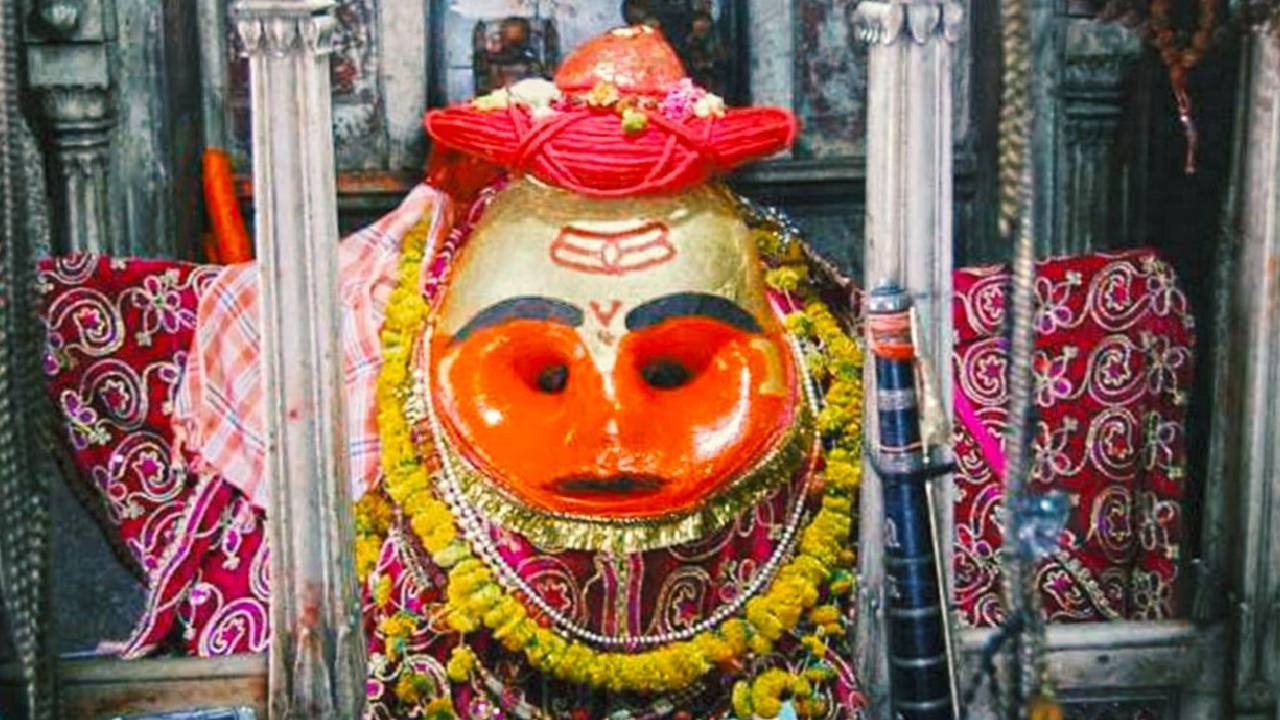
Ujjain is one of the most revered pilgrimage cities of India and the Kaal Bhairav Mandir holds a different place due to its spiritual landscape. It is located in the Bhairavgarh area on the banks of the Shipra River and dedicated to Kaal Bhairav who is traditionally regarded as the guardian deity of Ujjain. A visit to Ujjain often includes Kaal Bhairav along with Mahakaleshwar Temple, Harsiddhi Temple and Ram Ghat, making it an important stop for pilgrims. This guide will tell you about the timings of Kaal Bhairav Mandir Ujjain, distance from Mahakaleshwar, routes, darshan tips, traditional offerings, nearby attractions and a practical one-day temple plan.
Kaal Bhairav Mandir Ujjain – Overview
Location on the banks of the Shipra River, Bhairabgarh, the Kaal Bhairav Mandir Ujjain is described it as an ancient temple and one of the 8th prominent Bhairav places associated with the Shaiva tradition.
Kaal Bhairav is a fierce, and powerful manifestation of Lord Shiva who is traditionally worshipped as the kshetrapal, or guardian, of Ujjain. His form basically represents the protection, discipline, and the power to overcome fear, and obstacles for devotees. This temple also has a strong associated with the older Shaiva, and Tantric traditions.
Every year thousands of devotees visit the Kaal Bhairav Temple Ujjain to seek blessings of lord shiva, offer their prayers, and experience one of the most distinctive religious traditions of the city. The temple is particularly known for the traditional offering of liquor to the deity, alongside more familiar offerings such as flowers and coconuts.
Kaal Bhairav Mandir Ujjain Timings
Current sources of publication show some variation in the daily hours of the temple, such as:
- A commonly reported schedule place general darshan from around 6:00 AM to 10:00 PM.
- Other current visitor guides report darshan from 5:00 AM to 12:00 PM, and
- Evening darshan from 4:00 PM to 10:00 PM.
Visitor can use this general schedule to plan their itinerary accordingly:
| Details | Timings |
|---|---|
| Temple Opening | Around 5:00–6:00 AM |
| Morning Darshan | Around 5:00/6:00 AM – 12:00 PM |
| Afternoon | Timings may vary; some schedules show an afternoon break |
| Evening Darshan | Around 4:00 PM – 9:00/10:00 PM |
| Temple Closing | Around 9:00–10:00 PM |
Since the temple schedule may change for some special pujas, aartis, festivals and crowd management, visitors should verify the Kaal Bhairav Mandir Ujjain Opening Time on the day of their visit. This is particularly important during Kaal Bhairav Jayanti, Mahashivratri and other major pilgrimage periods.
Mahakaleshwar to Kaal Bhairav Mandir Distance
The Mahakaleshwar to Kaal Bhairav Mandir distance can vary depending on the starting point and the selection of the road. Some travel sources shows the distance at roughly 4 to 8 km with the journey generally taking about 15 to 30 minutes by auto or taxi depending on traffic.
The easiest option is generally a local auto-rickshaw or cab. Staying near the Mahakaleshwar temple, visitors can simply ask the driver for Kaal Bhairav Temple in Bhairavgarh. Overall, it also depends on the road conditions, and congestion to your increasing travel time during festivals, and weekends.
Yes, Mahakal to Kaal Bhairav Temple Ujjain can comfortably be covered during the same pilgrimage trip. A practical route is Mahakaleshwar → Harsiddhi Temple → Kaal Bhairav Mandir, followed by Ram Ghat or another nearby attraction.
How to Reach Kaal Bhairav Mandir Ujjain
From Mahakaleshwar Temple
From Mahakaleshwar Temple, you can simply take a local auto rikshaw or taxi towards Bhairavgarh. Depending on the traffic and the exact route, the journey generally takes time around 15 to 30 minutes. Combining both temples is a convenient choice for pilgrims visiting Ujjain for a short stay.
From Ujjain Railway Station
Being well connected to the Ujjain junction Kaal Bhairav Temple is easily reachable by local road transport. Different travel sources offer variables in the distances so it is better to rely on the road shown on the day of travel rather than a fixed kilometre figure. Hence, a local auto-rickshaw, e-rickshaw or cab will be the most convenient option for you.
From Ujjain Bus Stand
Visitors who are arriving here by bus can continue their journey towards Bhairavgarh with the help of an auto rikshaw, e-rikshaw or taxi. The exact travel time depends on which Ujjain bus stand you arrive at, and current traffic conditions, the journey is generally straightforward.
From Indore
Ujjain is easily accessible by road for travelers who are coming here from Indore. From Indore, they can continue towards Ujjain and then take the local route to Bhairavgarh.
Kaal Bhairav Mandir Ujjain Darshan Guide
Devotees must be prepared themselves for queues, especially during weekends, auspicious days and festivals, Kaal Bhairav Mandir Ujjain darshan can be a devotional experience. The atmosphere can become particularly busy during Kaal Bhairav Jayanti and Mahashivratri.
If you want a relatively comfortable visit, early morning will be a good choice for travelers. Arriving before the main rush can make the queue easier to manage, and evening hours can also be spiritually vibrant, particularly around aarti time, but may attract larger crowds.
During darshan:
- Follow the queue and instructions from temple staff.
- Keep footwear and personal belongings according to the management of the temple.
- Dress respectfully in traditional attire, and be comfortable even during crowd.
- Avoid pushing or rushing other devotees.
- Follow the rules concerning photography and offerings.
- You can simply have darshan, and offer permitted traditional items, if you do not wish to participate in the liquor-offering tradition.
- During peak pilgrimage periods, allow additional time rather than planning your schedule too tightly.
What Is Offered at Kaal Bhairav Temple?
Liquor known as ‘madira’ is the most distinctive traditional offering at Kaal Bhairav Temple is liquor. It is part of the longstanding religious practice of the temple, and is offered to the deity by priests. The tradition is associated with Bhairav worship and older Tantric practices.
Flowers, coconuts and other devotional items are also commonly associated with worship at the temple.
The liquor offering is a religious context rather than an ordinary consumption. Different spiritual interpretations associate the ritual with surrender, devotion and the offering of worldly attachments. Devotees must respect the practice of temple ritual and follow the instructions of the priests.
History and Religious Significance of Kaal Bhairav Mandir
The Kaal Bhairav Mandir Ujjain History is closely connected with the ancient Shaiva traditions of the city. Kaal Bhairav is fierce form of Shiva, and is traditionally regarded as the protector or guardian of Ujjain. The website of Ujjain district notes the connection of the temple with the Kapalik and Aughad traditions.
Traditional accounts also associate the shrine with the worship of ancient Ujjain and Bhairav. Some historical and travel sources attribute an earlier temple structure to King Bhadrasen, although details about the earliest origins vary across traditions of the temple.
The religious importance of the temple is strengthened by its connection with the wider pilgrimage circuit of Ujjain. Mahakaleshwar represents one of Jyotirlingas of Shiva, and the Kaal Bhairav occupies a distinctive guardian role in the sacred geography of the city.
Best Time to Visit Kaal Bhairav Mandir Ujjain
Early morning is usually a great choice for devotees who want to avoid heavier crowds during regular days. Crowds level vary according to the religious calendar although weekdays can also be easier than weekends.
Devotees who want to experience the peaceful atmosphere of the temple then they should visit during evening aarti. However, the temple can become significantly busier on auspicious days.
If devotees traveling during a major pilgrimage period than they should start early to keep extra time for darshan and confirm the latest arrangements before leaving your accommodation. They should expect longer queues and long travel time during festivals such as Kaal Bhairav Jayanti and Mahashivratri.
Places to Visit Near Kaal Bhairav Mandir Ujjain
There are various places to visit on the Kaal Bhairav Mandir Ujjain route, such as:
- Mahakaleshwar Temple: One of most important pilgrimage sites of Ujjain, and famous among one of the twelve Jyotirlingas.
- Harsiddhi Temple: A revered Shakti shrine that fits naturally into a temple-focused Ujjain itinerary.
- Ram Ghat: Located on the Shipra River, Ram Ghat is known for its religious importance and evening spiritual atmosphere.
- Mangalnath Temple: This is an another significant temple of Ujjain that can be visit if time permits.
- Sandipani Ashram: Associated with the traditional story of the education of Lord Krishna under Rishi Sandipani.
The information & highlights of these temples is available on the official Ujjain district tourism as an important attraction in the city.
Kaal Bhairav + Mahakaleshwar One-Day Temple Plan
A simple temple focused itinerary will have to be around the one practical plan sch as: Mahakaleshwar → Harsiddhi Temple → Kaal Bhairav Mandir → Ram Ghat
Begin your early morning with the darshan of Mahakaleshwar temple especially if you have a scheduled aarti, or darshan slot. Continue your journey to the Harsiddhi Temple and then travel towards Kaal Bhairav Mandir.
Keep 45 to 60 minutes for Kaal Bhairav with the additional time if queue is long. You can continue your journey towards Ram Ghat after darshan for a peaceful time to the circuit of the temple.
This sequence keeps the route practical while covering various significant spiritual landmarks of Ujjain. A more detailed route can be adjusted according to your darshan bookings, temple timings and travel plans.
Where to Stay in Ujjain for Temple Darshan?
Pilgrims and families who are planning to explore various temples, choose accommodation near a major transport point to make your trip easier. Kiwi Inn Hotel Ujjain is located at 89 Madhav Nagar, opposite Ujjain Railway Station, offering convenient access to local transport and major attractions.
The location of this hotel can be useful for travelers who are planning to visit to Mahakaleshwar, Ram Ghat and other part of Ujjain without staying far from the railway station. This property provides air-conditioned rooms, private bathrooms, Wi-Fi, parking and a 24-hour front desk according to its official website.
Kiwi Inn Hotel is considered as a practical accommodation option for families, and pilgrims who are looking for a convenient base between temple visits. Hence, check the availability of the rooms if you are planning a trip to Ujjain. Contact the hotel in advance to organize your stay around the temple darshan schedule at Kiwi Inn Hotel Ujjain
Frequently Asked Questions About Kaal Bhairav Mandir Ujjain
1. What are the timings of the Kaal Bhairav Mandir Ujjain?
The temple is generally open in the early morning, and remain accessible until evening or night. The reporting timing of the temple is around 5:00/6:00 AM to 9:00/10:00 PM, according to the common resources.
2. How far is Kaal Bhairav Mandir from Mahakaleshwar Temple?
The distance of the road is commonly estimated at around 4–8 km, depending on the route and exact starting point. By the local transport, travel generally takes about 15 to 30 minutes.
3. How can I reach Kaal Bhairav Mandir from Mahakaleshwar?
Auto-rickshaws and taxis are the easiest options. To have access, you can simply ask for Kaal Bhairav Temple in Bhairavgarh from any driver that will allow the additional time during busy periods.
4. How much time should we have in buffer for Kaal Bhairav Mandir darshan?
It normally takes 45 to 60 minutes to reach temple on normal day including entry, queueing and darshan. Festivals and weekends can require considerably more time.
5. Why is Kaal Bhairav Mandir famous for?
The temple of Kaal Bhairav is traditionally as the guardian deity of Ujjain and for the different religious practice of offering liquor to the deity.
6. What is the best time to visit Kaal Bhairav Mandir Ujjain?
It is recommended to go on early morning during regular weekday if you want to avoid crowd. Hence, festival days can be must busier.
7. What other temples can I visit near Kaal Bhairav Mandir?
Mahakaleshwar Temple, Harsiddhi Temple, Mangalnath Temple and other important Ujjain pilgrimage sites can be combined with Kaal Bhairav. Ram Ghat is also a popular nearby spiritual attraction.

